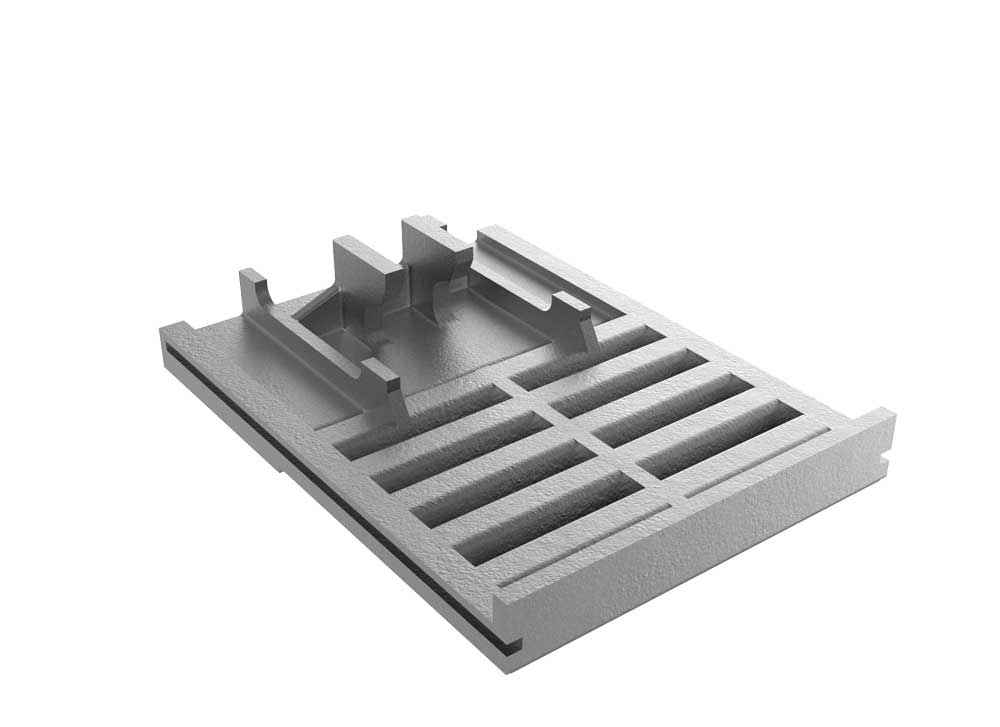
Refractory Steels

Refractory steel and its properties

Heat-resistant steel refers to a group of steel alloys that are capable of maintaining their mechanical strength and chemical stability at high temperatures. This unique feature makes heat-resistant steels one of the primary choices for applications requiring optimal performance under thermal stress and in corrosive environments. The chemical composition of these steels includes key alloying elements such as chromium, nickel, molybdenum, and silicon, each of which plays a vital role in enhancing their thermal and mechanical properties.

Chromium contributes significantly to oxidation resistance by forming a protective chromium oxide layer on the steel surface. This layer prevents further oxidation at elevated temperatures, helping preserve the structure and properties of the steel. Nickel, another important element in these alloys, greatly improves creep resistance and the mechanical performance of the steel under high-temperature conditions. Molybdenum and silicon also enhance the overall performance by increasing strength and corrosion resistance.

These exceptional properties have led to the widespread use of heat-resistant steels in various industries that operate under high temperatures and corrosive conditions. Common applications include the manufacturing of furnace components, gas and steam turbines, and equipment used in the chemical industry. In such applications, resistance to heat, creep, and oxidation is critically important, and heat-resistant steels play a key role in ensuring the efficiency and durability of equipment.

In summary, heat-resistant steels, with their unique combination of mechanical and chemical properties, are an ideal choice for demanding operational conditions and high-temperature environments, holding a special place in advanced and high-performance industries.

 

Steel Grade C (%) Cr (%) Ni (%) Si (%) Mn (%) Other Elements (%) Temperature Limit (°C)
AISI 309 0.2 max 22-24 12-15 0.75 max 2.0 max ~1100
AISI 310 0.25 max 24-26 19-22 1.5 max 2.0 max ~1200
AISI 446 0.20 max 23-27 0.50 max 1.5 max ~1050
1.4841 (310S) 0.02 max 24-26 19-22 1.5 max 2.0 max ~1150
AISI 321 0.08 max 17-19 9-12 0.75 max 2.0 max ~850
AISI 347 0.08 max 17-19 9-13 0.75 max 2.0 max Nb: 10xC min, 1.0 max ~900
Inconel 600 0.15 max 14-17 72 min 0.50 max 1.0 max Fe: 6-10 ~1150
Inconel 625 0.10 max 20-23 58 min 0.50 max 0.50 max Mo: 8-10, Nb: 3.15-4.15 ~980
AISI 253MA 0.05-0.10 20-22 10-12 1.4-2.0 0.8 max N: 0.14-0.20, Ce: 0.03-0.08 ~1150
Alloy 601 0.10 max 21-25 58-63 0.50 max 1.0 max Al: 1.0-1.7 ~1200
HK40 0.35 max 24-26 19-22 1.50 max 2.0 max ~1100
HP40 0.40 max 24-27 33-37 1.00 max 1.50 max ~1200
1.4958 (Alloy 800H) 0.05-0.10 19-23 30-35 1.0 max 1.5 max Al: 0.15-0.60, Ti: 0.15-0.60 ~1100
Alloy 825 0.05 max 19.5-23.5 38-46 0.50 max 1.0 max Mo: 2.5-3.5, Cu: 1.5-3.0, Ti: 0.6-1.2 ~1000
1.4724 0.10-0.20 11-13 1.5-2.0 0.8 max Al: 0.70-1.30 ~850
1.4742 0.10-0.20 17-19 1.5-2.5 0.8 max Al: 0.70-1.20 ~950
1.4828 0.20 max 19-21 11-13 1.5-2.0 0.8 max ~1100
1.4876 0.08 max 19-23 30-35 1.0 max 1.5 max Al: 0.15-0.60, Ti: 0.15-0.60 ~1100
Alloy 718 0.08 max 17-21 50-55 0.35 max 0.35 max Mo: 2.8-3.3, Nb+Ta: 4.75-5.50, Ti: 0.65-1.15 ~980
1.4961 0.05-0.10 15-17 12-14 0.3-0.6 1.5 max ~1100
AISI 304 0.15 max 18-20 8-10.5 1.0 max 2.0 max ~800
AISI 304L 0.03 max 18-20 8-12 1.0 max 2.0 max ~800
AISI 316 0.08 max 16-18 10-14 1.0 max 2.0 max Mo: 2-3 ~850
AISI 316L 0.03 max 16-18 10-14 1.0 max 2.0 max Mo: 2-3 ~850
AISI 308 0.08 max 19-21 10-12 1.0 max 2.0 max ~850
AISI 420 0.15-0.45 12-14 1.0 max 1.0 max ~750
1.4848 0.3-0.5 24-26 19-22 1.0-2.5 0.5-1.5 ~1150
1.4841 0.2max 24-26 19-22 1.5 max 2.0 max ~1150
1.4828 0.20 max 19-21 11-13 1.5-2.0 2.0max ~1100
1.4837 0.3-0.5 24-26 11-14 1.0-2.5 0.5-1.5 ~1150
1.4823 0.3-0.5 25-28 3.5-5.5 1.0-2.5 0.5-1.5 ~1100
5830* 0.70-0.90 24-26 2.5-3.5 1.0-2.0 0.6-1.0 ~1000

Produced Materials

Download catalog

Productions